
Norsk
- English
- Español
- Português
- русский
- Français
- 日本語
- Deutsch
- tiếng Việt
- Italiano
- Nederlands
- ภาษาไทย
- Polski
- 한국어
- Svenska
- magyar
- Malay
- বাংলা ভাষার
- Dansk
- Suomi
- हिन्दी
- Pilipino
- Türkçe
- Gaeilge
- العربية
- Indonesia
- Norsk
- تمل
- český
- ελληνικά
- український
- Javanese
- فارسی
- தமிழ்
- తెలుగు
- नेपाली
- Burmese
- български
- ລາວ
- Latine
- Қазақша
- Euskal
- Azərbaycan
- Slovenský jazyk
- Македонски
- Lietuvos
- Eesti Keel
- Română
- Slovenski
- मराठी
- Srpski језик

Bransjenyheter
 22 2026-08
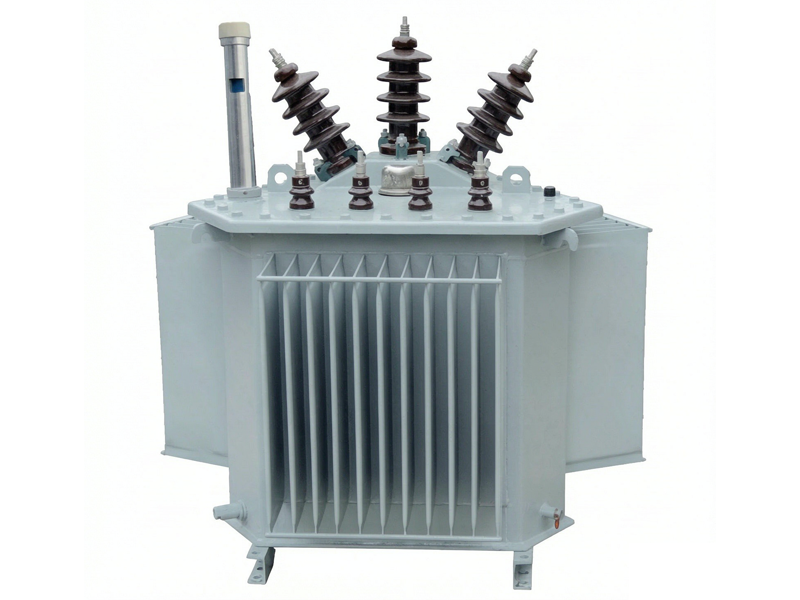
Why can three-dimensional wound core transformer achieve low noise and energy saving?
In the power system, transformers are the core equipment for energy conversion, and their energy efficiency and operating environment friendliness have always been the focus of the industry. Traditional laminated transformers have long faced the pain points of high no-load losses and loud noise, while three-dimensional wound core transformers are becoming the mainstream choice for distribution network upgrades due to structural innovation. This article will start from the structural principles and dismantle its core logic of "low noise and high energy saving" layer by layer.
 20 2026-08
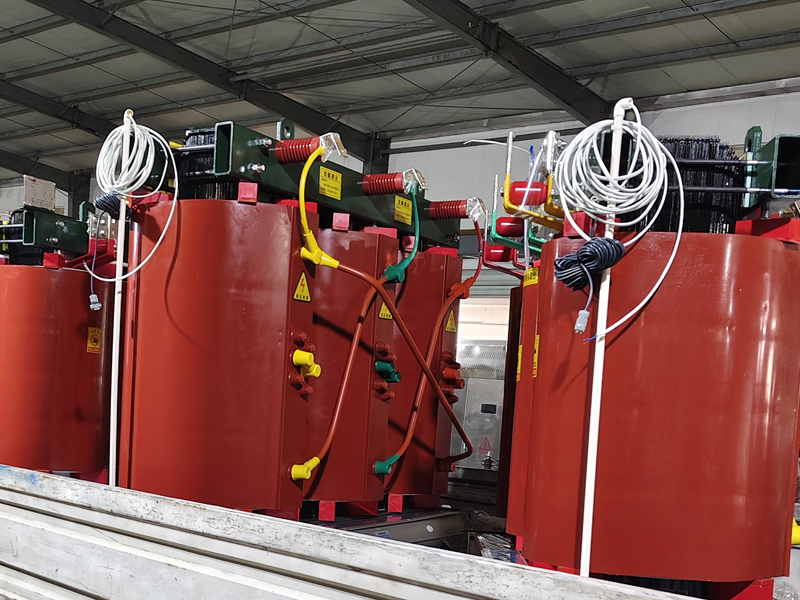
Why can't dry-type transformers be stored and transported upside down for a long time?
In the construction, operation and maintenance of power transmission and distribution systems, dry-type transformers are widely used in key places such as commercial buildings, subways, hospitals, and new energy power stations due to their excellent characteristics such as fire protection, explosion-proof, and maintenance-free. However, many on-site failures are not due to quality defects in the equipment itself, but due to irregular long-distance transportation and warehousing links. Among them, long-term inversion, tilting or improper storage is one of the most damaging operations to the internal insulation structure of dry-type transformers.
 17 2026-08
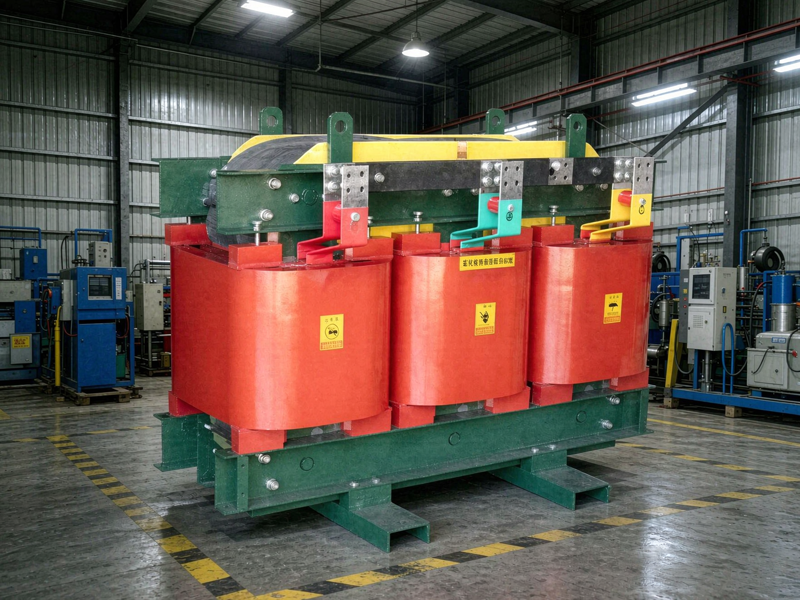
What are the methods and steps for wiring dry-type transformers?
The core wiring work of dry-type transformers follows the principle of "checking parameters, standardizing wiring, insulation testing, and no-load trial operation". The quality of wiring directly affects the operational safety and life of the transformer, and must be operated by professional electricians in accordance with specifications.
 15 2026-08
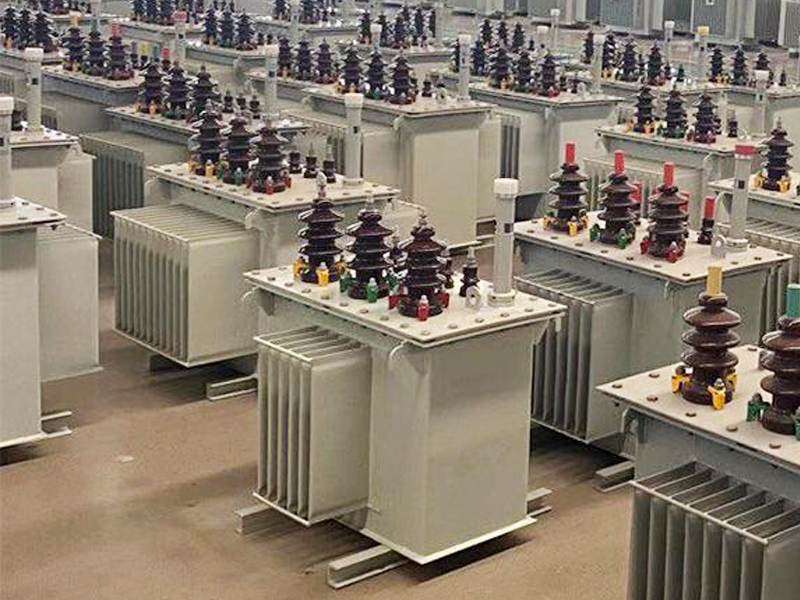
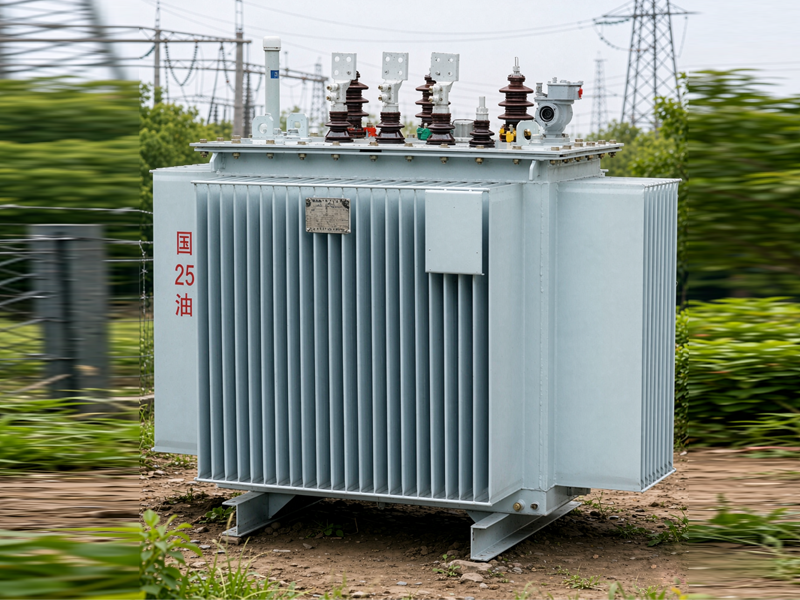
What Makes the “Heart” of the Power System Beat Steadily?
In the power system, the transformer is known as the "heart" and is responsible for the voltage conversion, transmission and distribution of electrical energy. Its operating status directly determines the security and stability of the power grid. Once a transformer fails, it will not only cause a large-scale power outage, but may also trigger a chain reaction, causing huge economic losses and social impact. Therefore, transformer reliability has always been a core proposition of concern to the power industry.
 13 2026-08
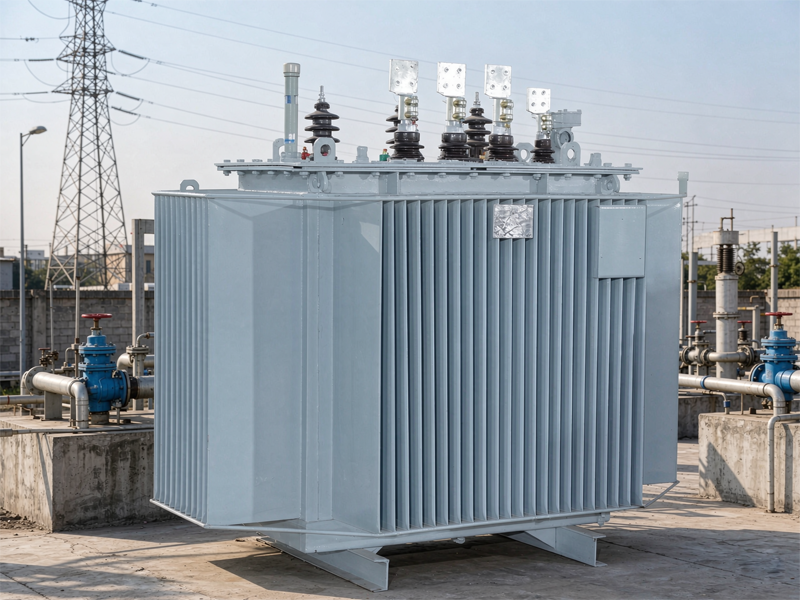
Why is my oil-immersed transformer overheating?
As the core equipment of the power system, the operating status of oil-immersed transformers is directly related to the safety and stability of the power grid. However, in actual operation, transformer overheating is a common abnormal phenomenon that requires high vigilance. If the cause is not identified and dealt with in time, it will not only accelerate the aging of the insulation material and shorten the life of the equipment, but in severe cases may even cause catastrophic accidents such as fires or explosions. The causes of transformer overheating are complicated and can usually be analyzed from three dimensions: external operating environment, cooling system and internal electrical faults.
 08 2026-08
How can the lifespan of distribution transformers be extended through routine maintenance?
Distribution transformer is the "heart" of the distribution network, responsible for voltage conversion and power distribution, which is directly related to the safety and stability of power supply. Its design life is generally 20 to 30 years, but in actual operation, affected by various factors such as load, temperature, insulation, environment, protection, operation and maintenance, the actual life is often greatly shortened. This article systematically sorts out the key factors that affect the life of the transformer and provides practical daily maintenance methods to help extend the life of the equipment, reduce costs and increase efficiency.